Cover art · flowers
Spray of Flowers
Roubillac (French, 1739-), c. 1774–1800.
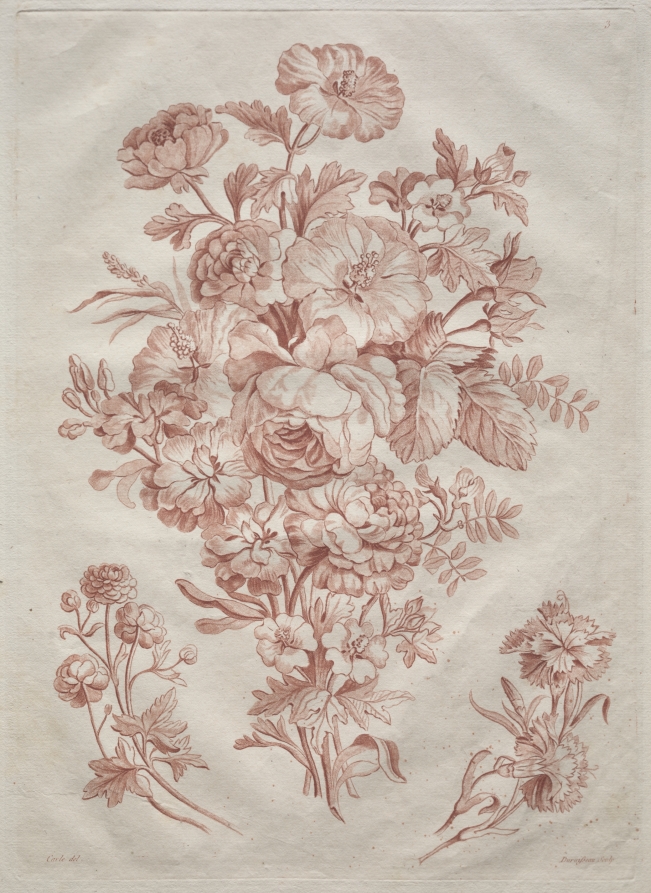
Using it on a cover
The print file prints up to 8.3 x 11.3 in at 300 ppi — enough for a full 6 x 9 in front cover. Wider than a 6 x 9 cover: crop about 9% of the width, or use it as a wraparound across back and spine.
About the work
Crayon manner etching was invented in the 18th century to simulate the texture of chalk drawings, which were very popular at the time. A tool with toothed points of varying thicknesses set at irregular intervals and angles ( mattoir ) imitated the random character of grains of chalk on textured paper. Etudes de fleurs d’après nature demonstrates how prints propagated floral designs that could be used in the applied arts. Artisans designing textiles or decorating furniture, for instance, were inspired by the compositions found on prints.
More flowers art
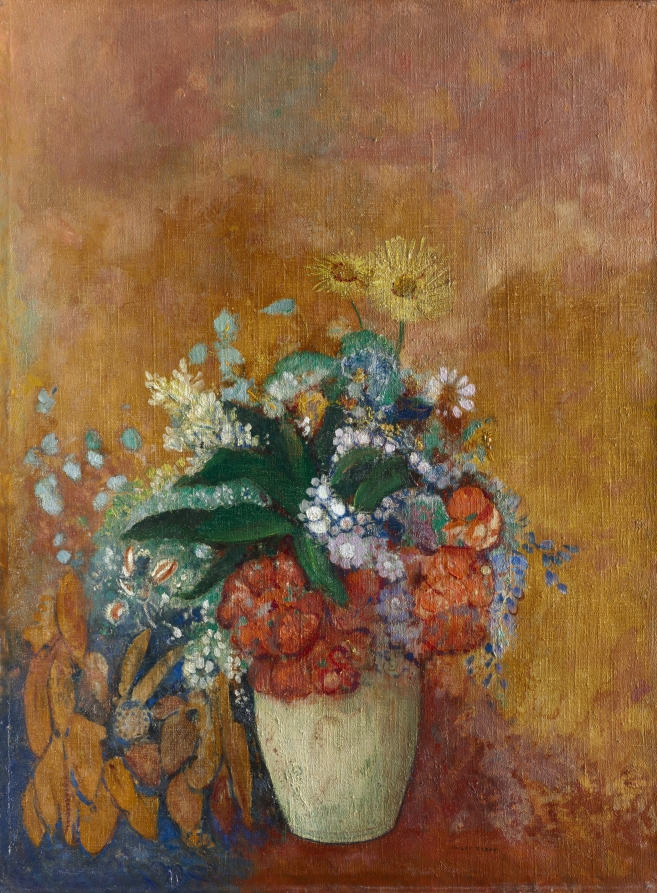 Vase of Flowers
Odilon Redon (French, 1840–1916)c. 1905
 Spring Flowers
Claude Monet (French, 1840–1926)1864
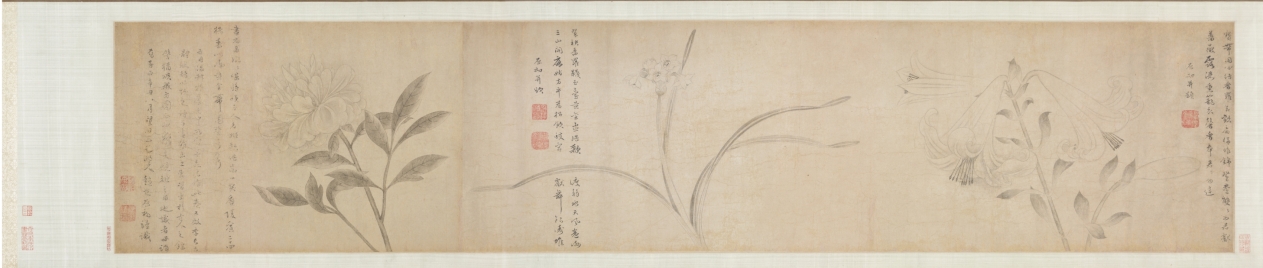 Ink Flowers
Zhao Zhong (Chinese, second half of the 1300s)1361
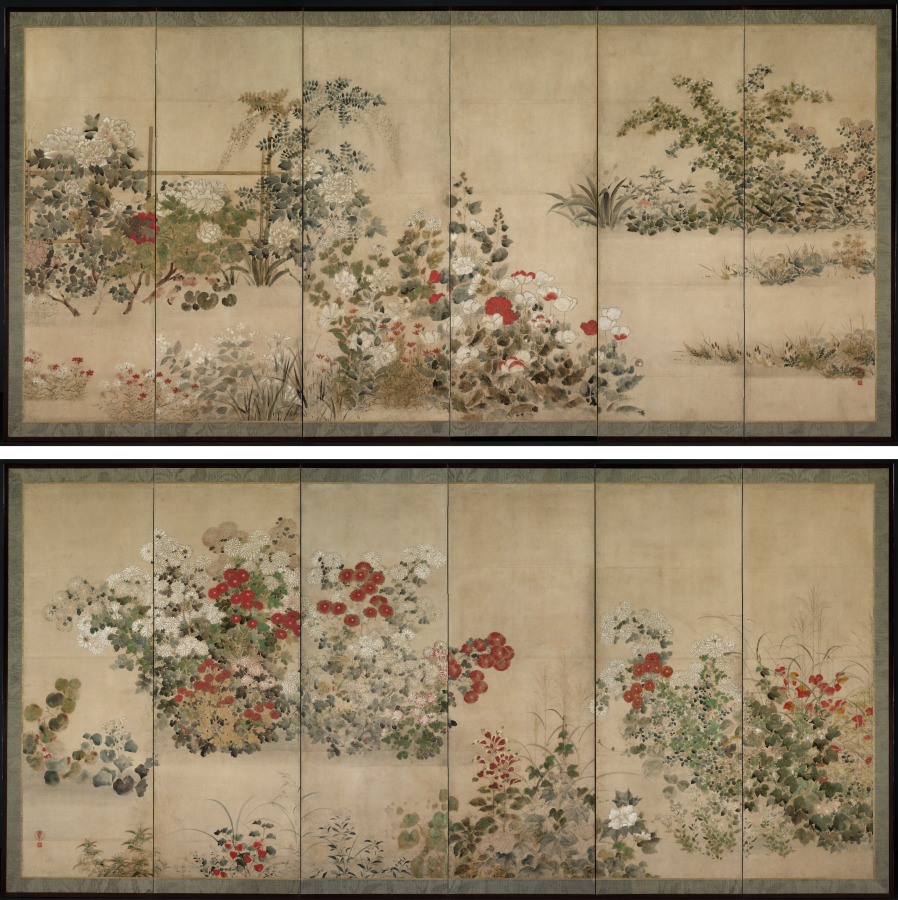 Flowers and Grasses
Kitagawa Sōsetsu (Japanese, active 1639–50)mid-1600s
 Flowers of Four Seasons, with Poems
Wang Guxiang (Chinese, 1501–1568)1531
 Flowers in a Vase
Simon Verelst (Dutch, 1644–1721)c. 1669
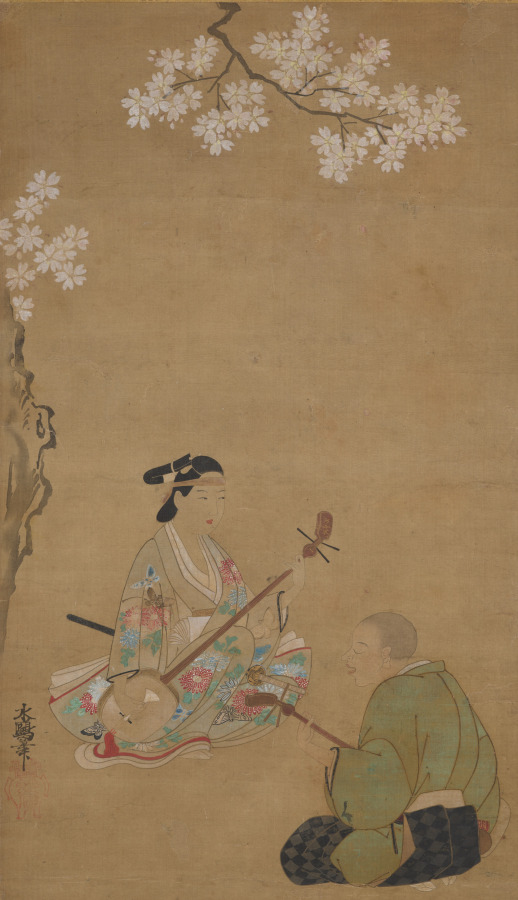 Performing Beneath the Flowers
Tamura Suio (Japanese, active late 1600s–early 1700s)late 1600s–early 1700s
 Persian Flowers
Jean Baptiste Pillement (French, 1728–1808)1755
Sources & data
- Artwork data and images from the Cleveland Museum of Art Open Access API (CC0).